Featured
Table of Contents
That frees up money in the short term, and you may have 3 to four years to save towards the negotiation amount. Really harmful to credit rating, mostly due to missed out on payments and a negative "cleared up" mark that could remain on your credit score report for up to 7 yearsMay be only alternative if other options (debt loan consolidation, equilibrium transfer charge card, debt mercy) aren't possibleTypically requires a fee to the 3rd party, which might offset some or all of the cost savings from financial obligation settlementMay aid you avoid bankruptcy if you have actually missed out on a number of paymentsNot all financial institutions deal with debt settlement firms Financial obligation mercy might be best for you if you are experiencing a financial difficulty that makes it almost difficult to pay for your debt equilibriums.
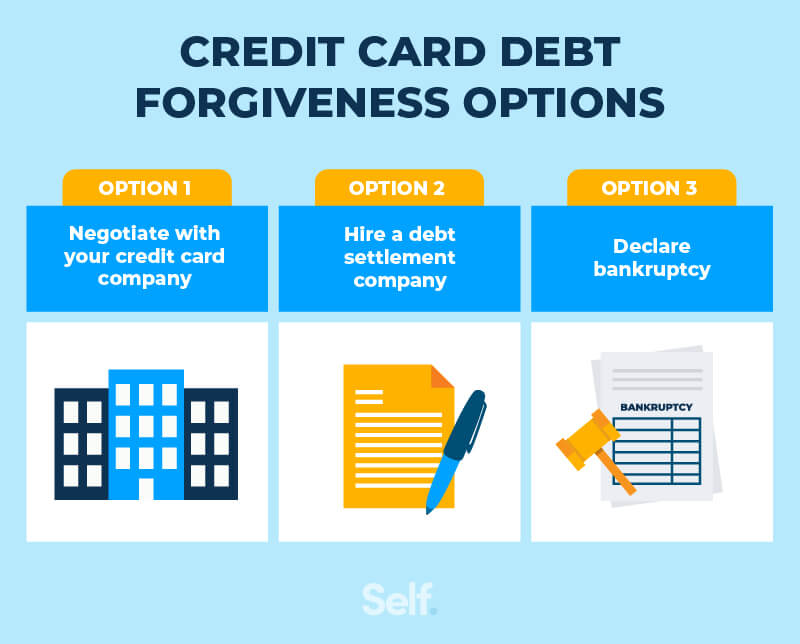
With a DMP, you make one monthly settlement to the credit therapy company. Those funds are then distributed to lenders of your unsafe financial debts, such as credit cards and installment fundings. The company collaborates with your lenders to minimize rate of interest or forgo fees, yet some financial institutions may decline such giving ins.
It can help you pay down financial debt if you're able to secure a lending rate that's lower than the typical rate of the accounts you're settling. You need to refrain from racking up debt on those recently removed accounts or your debt can expand even higher.
These cards typically offer a 0% interest introductory period of as much as 21 months. That offers you a lot of time to eliminate or substantially decrease your equilibrium while making interest-free payments. For some people dealing with insurmountable debt, bankruptcy might be the only means to stop collection proceedings and legitimately settle their financial obligations.
The Best Strategy To Use For Being Cautious from Unethical Operators
You might require it if your creditor or a debt collector ever attempts to accumulate on the debt in the future. The letter can prove you don't owe what the collection firm's documents reveal. Yes, in many cases, the IRS takes into consideration forgiven financial obligation as taxed revenue. When a loan provider forgives $600 or more, they are called for to send you Type 1099-C.
Financial obligation mercy or negotiation generally hurts your credit scores. Anytime you settle a financial debt for less than you owe, it might look like "cleared up" on your credit rating report and influence your credit report for 7 years from the date of settlement. Your credit history can also go down substantially in the months resulting in the mercy if you fall back on settlements.
Some Ideas on Developing Your Custom Path to Freedom You Should Know
Tax obligation financial obligation compromise programs Tax obligation financial debt occurs when the quantity of taxes you owe exceeds what you have actually paid. This scenario typically arises from underreporting income, not submitting returns promptly, or disparities located throughout an internal revenue service audit. The repercussions of building up tax financial obligation are serious and can include tax liens, which provide the internal revenue service a lawful case to your property as safety for the debt.
Greater interest prices on readily available credit. Incomes and Bank Accounts IRS can impose (confiscate) wages and bank accounts to satisfy the debt. Lowered earnings and interruption of necessary monetary procedures. Residential or commercial property Seizure In extreme instances, the IRS can confiscate and market home to cover the financial debt. Loss of useful properties and prospective displacement.
Anxiety, stress and anxiety, and other psychological health concerns. Social Preconception Dealing with legal activity from the IRS can carry social preconception. Damage to online reputation and connections. Employment Opportunities A bad credit rating rating because of strain debt can restrict employment possibility. Problem finding or maintaining a job. Federal government Benefits Tax obligation debt may influence eligibility for government benefits, such as Social Protection and Medicaid.
The Buzz on What's Coming in Quick-Response Support: How APFSC Is Saving Lives During Crises Services
The OIC considers a number of factors, consisting of the taxpayer's income, costs, asset equity, and capacity to pay. Effectively bargaining an OIC can be complex, needing an extensive understanding of the internal revenue service's guidelines and a strong argument for why your deal straightens with your capacity to pay. It's essential to note that not all applications are approved, and the procedure needs thorough monetary disclosure.
The IRS examines your overall economic situation, including your revenue, expenditures, property equity, and capability to pay. You need to additionally be existing with all declaring and payment requirements and not be in an open insolvency case. The IRS likewise considers your conformity history, examining whether you have a record of prompt declaring and paying taxes in previous years.
An Unbiased View of Financial Factors That Affect How More Families Need Are Seeking Debt Forgiveness
The application procedure for a Deal in Compromise includes several thorough actions. You have to complete and send IRS Type 656, the Offer in Compromise application, and Type 433-A (OIC), a collection info declaration for people. These kinds need thorough financial details, consisting of information concerning your revenue, financial debts, expenses, and properties.
Back tax obligations, which are unsettled taxes from previous years, can significantly enhance your total IRS debt otherwise attended to immediately. This debt can accrue interest and late settlement penalties, making the initial quantity owed much bigger over time. Failing to pay back tax obligations can lead to the internal revenue service taking enforcement activities, such as releasing a tax lien or levy against your building.
It is essential to deal with back taxes asap, either by paying the sum total owed or by preparing a settlement plan with the IRS. By taking proactive actions, you can avoid the accumulation of added rate of interest and penalties, and protect against extra aggressive collection activities by the IRS.
One usual factor is the idea that the taxpayer can pay the sum total either as a round figure or through a settlement plan. The internal revenue service additionally thinks about the taxpayer's revenue, expenditures, possession equity, and future earning potential. If these variables suggest that the taxpayer can afford to pay greater than the offered quantity, the internal revenue service is likely to reject the offer.
Some Known Details About Maintaining a Stable Budget That Protects You
It is essential to supply exact and complete info in your application and to seek advice from a tax specialist to boost the possibilities of acceptance. Taking care of internal revenue service financial debt can be complicated and complicated. Tax professionals, such as CPAs, tax obligation attorneys, or registered representatives, can give indispensable support. They have the expertise to browse the intricacies of tax regulation and IRS treatments.

Table of Contents
Latest Posts
Getting My Starting Meeting with APFSC To Work
The smart Trick of Restoring Your Financial Standing Following Debt Forgiveness That Nobody is Discussing
8 Easy Facts About How APFSC Apart from the Industry Shown
More
Latest Posts
Getting My Starting Meeting with APFSC To Work
The smart Trick of Restoring Your Financial Standing Following Debt Forgiveness That Nobody is Discussing
8 Easy Facts About How APFSC Apart from the Industry Shown